
What Should You Do After Being Arrested in Miami, Florida?
What Should You Do After Being Arrested in Miami, Florida?
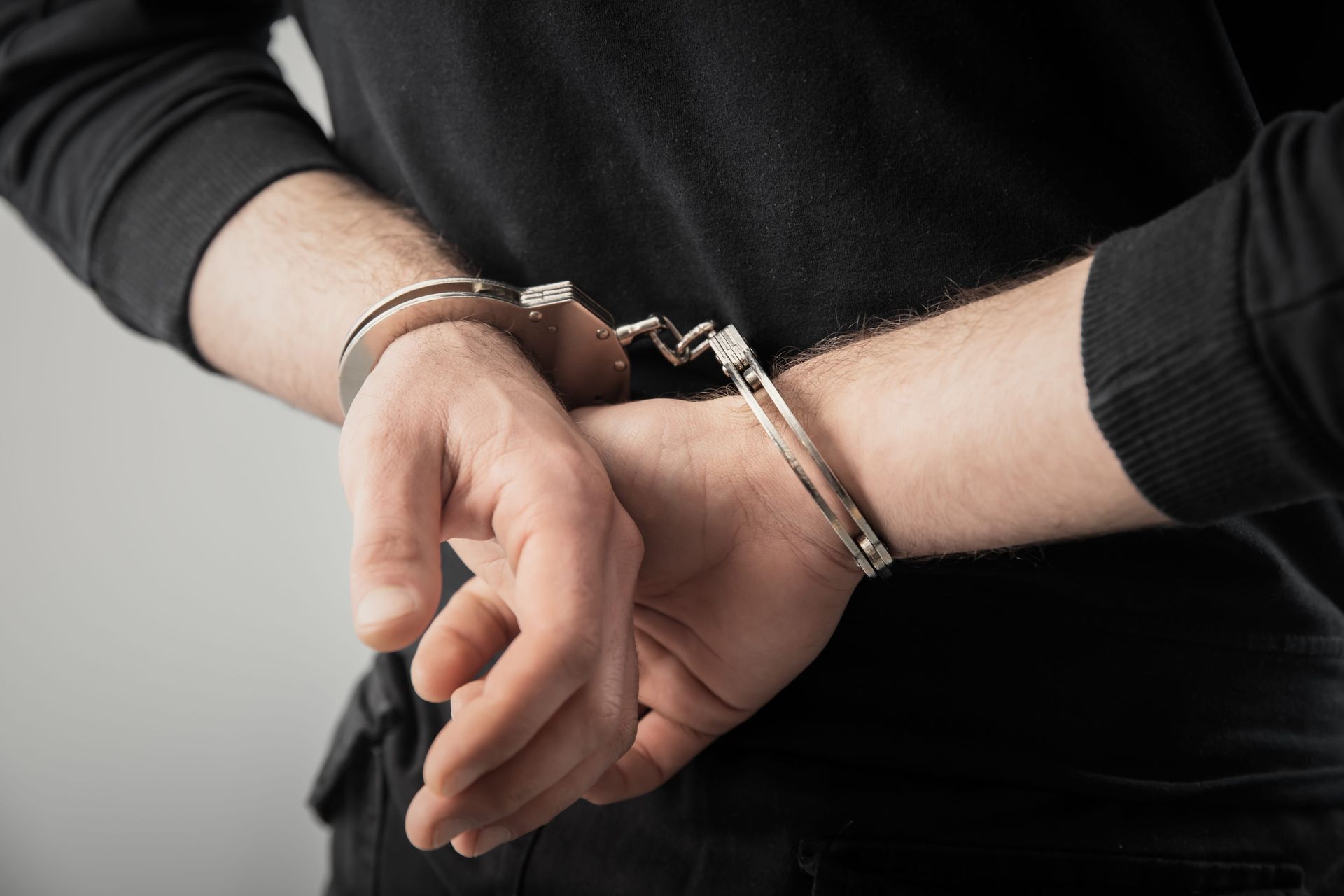
eing arrested in Miami can be overwhelming, particularly if you have never been through the criminal justice system before. You may be worried about getting out of jail, what you should say to police, whether you will lose your job, and what the charges could mean for your future.
What you do immediately after an arrest can also affect your criminal case.
An arrest is not a conviction. The prosecution still has to pursue the charge and prove the case, and a defense attorney can examine the circumstances surrounding the arrest, the evidence against you, police procedures, searches, statements, and other issues that may affect the outcome.
If you are arrested in Miami or elsewhere in South Florida, understanding what happens next—and what mistakes to avoid—can help you protect your rights from the beginning.
1. Remain Calm and Do Not Physically Resist
An arrest is not the time to argue your case with police.
Even if you believe the arrest is unjustified, physically resisting officers can make an already difficult situation more complicated and potentially lead to additional allegations.
Remain as calm as possible and comply with lawful physical instructions while preserving your ability to challenge the arrest and evidence through the legal process.
You do not have to convince the arresting officer that you are innocent on the side of the road, at your home, or at the police station.
2. Be Careful About What You Say
One of the biggest mistakes someone can make after an arrest is assuming that explaining the situation will make the problem disappear.
Statements can become evidence.
Florida's first-appearance rules specifically require the judge to advise defendants that they are not required to say anything and that what they say may be used against them.
This matters even when you believe you have a perfectly reasonable explanation.
People under stress can misremember details, make assumptions, or say something that investigators later interpret differently. Police may also already possess evidence or information that you do not know about.
Avoid discussing the facts of the alleged offense until you have received legal advice.
3. Ask to Speak With a Criminal Defense Attorney
After an arrest, you can clearly state that you want to speak with an attorney.
Florida law provides that an arrested person must be allowed to consult privately with an attorney at the place of custody for reasonable periods of time.
MPM Law's own guidance similarly advises people arrested for criminal offenses to exercise their right to remain silent and request an attorney rather than attempting to handle police questioning themselves.
Getting legal representation involved early can be important because significant events may occur well before a case reaches trial.
4. Understand What Happens During Booking
After an arrest, you may be transported to a police station or detention facility for processing.
The booking process can involve:
- Recording identifying information
- Fingerprinting
- Taking a booking photograph
- Recording the alleged offense
- Inventorying personal belongings
- Checking for outstanding warrants
- Determining whether release is immediately available
- Holding the person for first appearance when necessary
The exact process will depend on the circumstances of the arrest and the charges involved.
Being booked into jail still does not mean you have been found guilty.
5. What Is the First Appearance After an Arrest?
If you remain in custody, an important early stage is the first appearance hearing.
Under Florida Rule of Criminal Procedure 3.130, an arrested person who has not already been lawfully released generally must be brought before a judge within 24 hours of arrest. The Florida Supreme Court has explained that the purposes of first appearance include informing the defendant of the charges and rights and addressing conditions of release.
At this hearing, the court may address matters such as:
- The charge or charges
- Your legal rights
- Probable cause
- Representation by counsel
- Bond
- Conditions of release
- Whether pretrial detention is sought
The specific issues will depend on the offense and circumstances.
6. Will You Be Released on Bond?
Not every person arrested in Miami will be released under identical conditions.
Florida law establishes rules governing pretrial release and detention. Depending on the charge and circumstances, a defendant may face monetary bond, nonmonetary conditions, additional restrictions, or pretrial detention. Certain offenses are subject to more restrictive rules.
Factors affecting release can include the nature of the allegations, criminal history, prior failures to appear, public-safety concerns, and other circumstances.
If you are released, take every condition seriously.
7. Follow Every Condition of Your Release
Getting out of jail does not mean you can immediately return to life exactly as it was before the arrest.
A judge may impose conditions that restrict what you can do while the case is pending.
Depending on the allegations, conditions could involve:
- No contact with a particular person
- Staying away from a particular location
- Restrictions involving firearms
- Drug or alcohol restrictions
- Testing or monitoring
- Travel restrictions
- Reporting requirements
- Other court-ordered conditions
Violating a release condition can create additional problems and may jeopardize your ability to remain out of custody.
If you do not understand a condition, ask your attorney rather than guessing what the court meant.
8. Do Not Contact an Alleged Victim if Contact Is Prohibited
This is especially important in domestic violence, battery, stalking, and similar cases.
If the court orders no contact, do not assume that you can ignore the restriction because the other person calls, texts, or wants to see you.
The order comes from the court.
Contact can include more than meeting someone in person. Depending on the order, calls, texts, social media messages, or indirect communication through another person may create issues.
Speak with your attorney about the proper process if you want a no-contact condition changed.
9. Stay Off Social Media When It Comes to Your Case
After an arrest, you may want to defend yourself publicly, explain what happened, or respond to people discussing the allegations.
That can be risky.
Posts, photographs, videos, comments, direct messages, and other online activity may potentially become relevant evidence.
Avoid posting about:
- What happened before the arrest
- What police allegedly did wrong
- The alleged victim
- Witnesses
- Evidence
- Where you were
- What you were doing
- What you intend to tell the court
Even content you later delete may have already been saved or screenshotted.
Discuss the case privately with your attorney instead.
10. Preserve Evidence That Could Help Your Defense
While you should avoid discussing the allegations publicly, you should preserve potentially relevant information.
Depending on the case, that could include:
- Text messages
- Emails
- Photographs
- Videos
- Receipts
- Location records
- Ride-share records
- Names of witnesses
- Surveillance-camera locations
- Phone records
- Relevant social media communications
- Documents related to the allegations
Do not alter or fabricate evidence.
Simply preserve potentially relevant material and provide it to your attorney so it can be evaluated properly.
This can be particularly important with surveillance footage, which may not be retained indefinitely.
11. Write Down What You Remember
As soon as reasonably possible, make a private record for your attorney of what happened before, during, and after the arrest.
Details may become harder to remember as time passes.
Useful information might include:
- Where you were
- Who was present
- What officers said
- What you said
- Whether officers questioned you
- Whether police searched you, your home, or your vehicle
- Whether you were asked for consent
- What property police took
- Whether cameras were present
- Names or descriptions of potential witnesses
Do not post this account online or distribute it to friends. Preserve it for discussions with your defense attorney.
12. What if Police Searched You, Your Car, or Your Home?
A search can become an important part of the defense when police discover drugs, firearms, stolen property, electronic evidence, or other alleged contraband.
Florida law recognizes specific limits on stops, detentions, and protective searches. For example, Florida's Stop and Frisk Law permits a temporary detention under specified circumstances and limits a protective search for weapons to situations where the officer has the legally required basis to believe the person is armed and dangerous.
Other constitutional rules apply to searches of vehicles, homes, phones, and other property.
A defense attorney may examine:
- Why police stopped or detained you
- Whether officers had probable cause
- Whether there was a warrant
- Whether you allegedly consented
- Whether consent was voluntary
- What the warrant authorized
- Where officers searched
- What evidence they seized
If evidence was obtained unlawfully, there may be grounds to seek suppression of that evidence.
13. What if You Already Made a Statement to Police?
Do not assume your case is hopeless because you already answered questions.
A defense attorney can review how and when the statement was obtained, exactly what you said, whether the interaction was recorded, and whether constitutional issues are involved.
Your statement is also only one part of the case.
The remaining evidence may include police reports, body-camera footage, surveillance recordings, physical evidence, witness statements, forensic testing, electronic records, and other information.
Avoid trying to "correct" your previous statement by contacting investigators on your own. Speak with your attorney first.
14. What Happens After You Are Released From Jail?
The criminal case continues after release.
Depending on the charge, the process may involve:
- Prosecutorial review of the case
- Formal charging decisions
- Arraignment
- Discovery
- Investigation by the defense
- Depositions where legally available
- Pretrial motions
- Plea negotiations
- Pretrial hearings
- Trial if the case is not resolved beforehand
Not every case follows exactly the same path.
Some charges may be reduced or dropped before trial. Others may involve disputed evidence or legal issues requiring hearings. Some cases ultimately proceed to trial.
15. Does an Arrest Mean Prosecutors Will File the Same Charge?
Not necessarily.
The offense listed at arrest is not always the final charge pursued by prosecutors.
After reviewing the police investigation and available evidence, the prosecution may make charging decisions based on what it believes the evidence supports.
That makes the period following arrest important.
A defense attorney can begin investigating the allegations, identifying potentially favorable evidence, and examining weaknesses or legal problems before the case progresses further.
16. Can Criminal Charges Be Dropped Before Trial?
Potentially.
Criminal cases can sometimes be resolved without trial because of issues involving:
- Insufficient evidence
- Unreliable or conflicting witnesses
- Mistaken identification
- Surveillance footage
- Lack of required criminal intent
- Unlawful searches or seizures
- Improperly obtained statements
- Other evidentiary problems
- Negotiated resolutions
- Eligible diversion programs
However, an attorney cannot guarantee that charges will be dismissed.
The appropriate strategy depends on the allegations, evidence, applicable law, and circumstances of the individual case.
17. What Should You Avoid Doing After an Arrest?
Some of the most important steps involve what not to do.
After an arrest in Miami, avoid:
- Discussing the facts of your case with police without legal advice
- Posting about the arrest on social media
- Contacting an alleged victim when prohibited
- Asking friends to contact witnesses on your behalf
- Deleting potentially relevant messages or evidence
- Missing court appearances
- Violating bond or release conditions
- Assuming a misdemeanor is not serious
- Ignoring communications from your attorney or the court
Small decisions made while a case is pending can create consequences later.
18. Why Early Defense Can Matter
A criminal defense does not begin on the day of trial.
Evidence can change or disappear. Surveillance recordings may be overwritten. Witnesses' memories can fade. Digital records may need to be preserved. Police conduct may need to be examined closely.
Early defense work can involve reviewing reports, obtaining recordings, locating witnesses, examining searches, analyzing statements, challenging evidence, and determining whether prosecutors can prove each element of the alleged offense.
The goal is to understand the prosecution's case as thoroughly as possible and identify the defense options available.
Arrested in Miami or South Florida?
If you have been arrested, the decisions you make afterward can matter.
MPM Law represents individuals facing criminal allegations in Miami and throughout South Florida, including DUI, battery, drug crimes, firearm and weapon charges, federal offenses, misdemeanors, felonies, and other criminal matters. The firm's own guidance emphasizes remaining silent, avoiding consent to searches when appropriate, and requesting an attorney following an arrest.
Attorney Matthew Meyers can review the circumstances of your arrest, the evidence against you, police procedures, and potential defense strategies while helping you understand what comes next in the Florida criminal justice process.
If you or a loved one has been arrested in Miami, Miami-Dade County, or elsewhere in South Florida, contact MPM Law to discuss the case and your defense options.